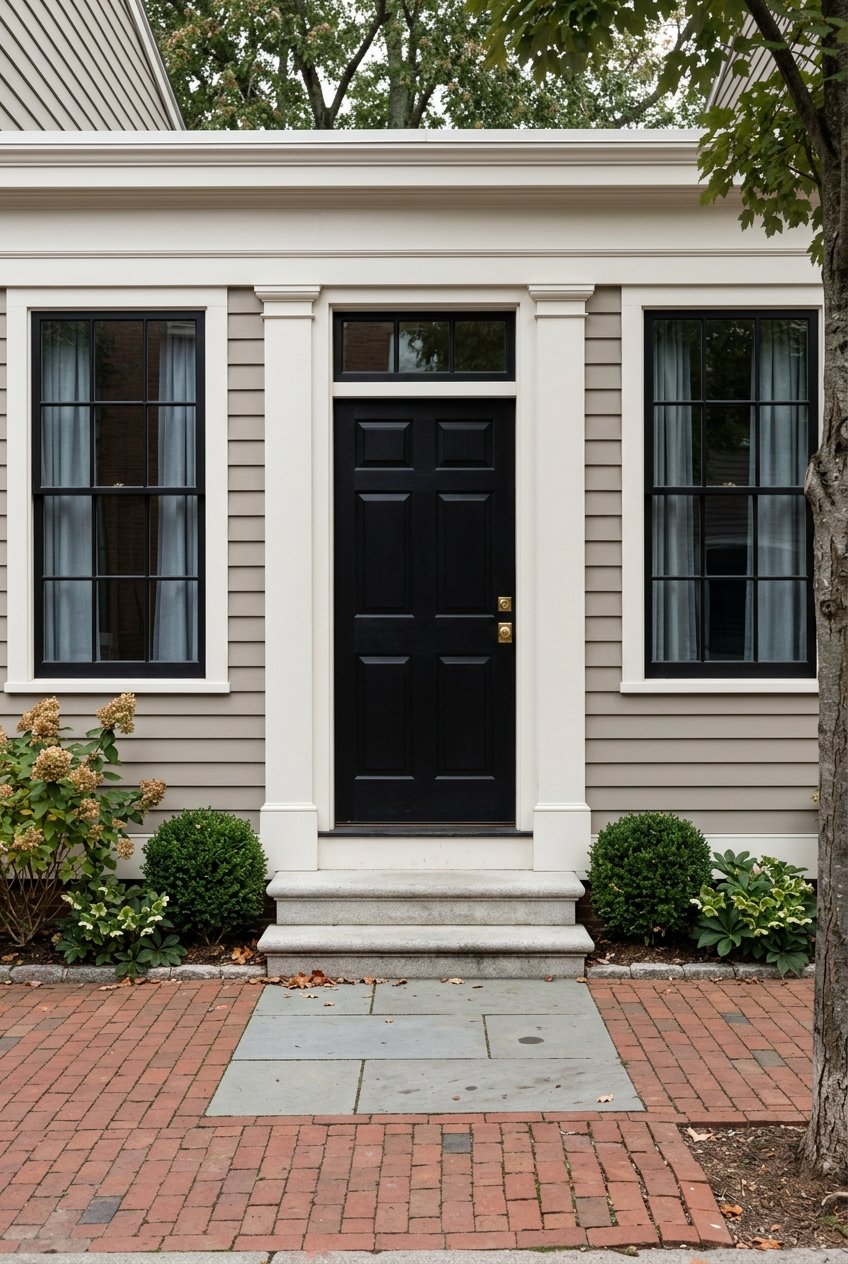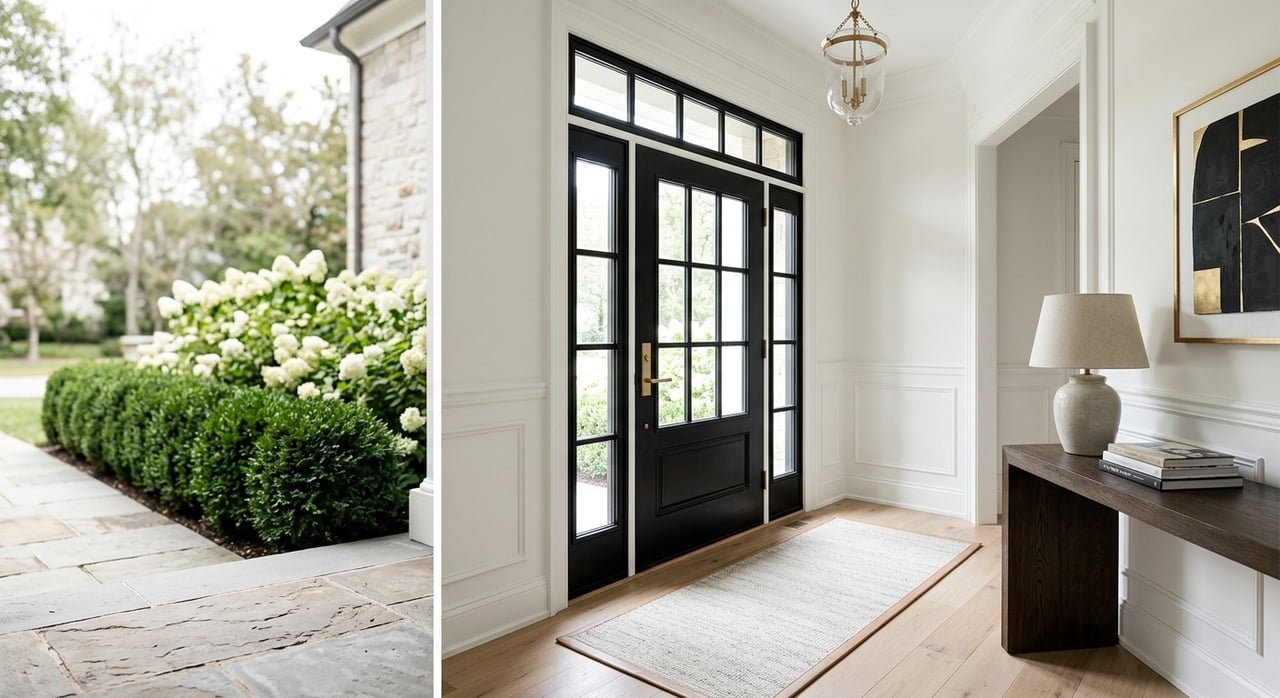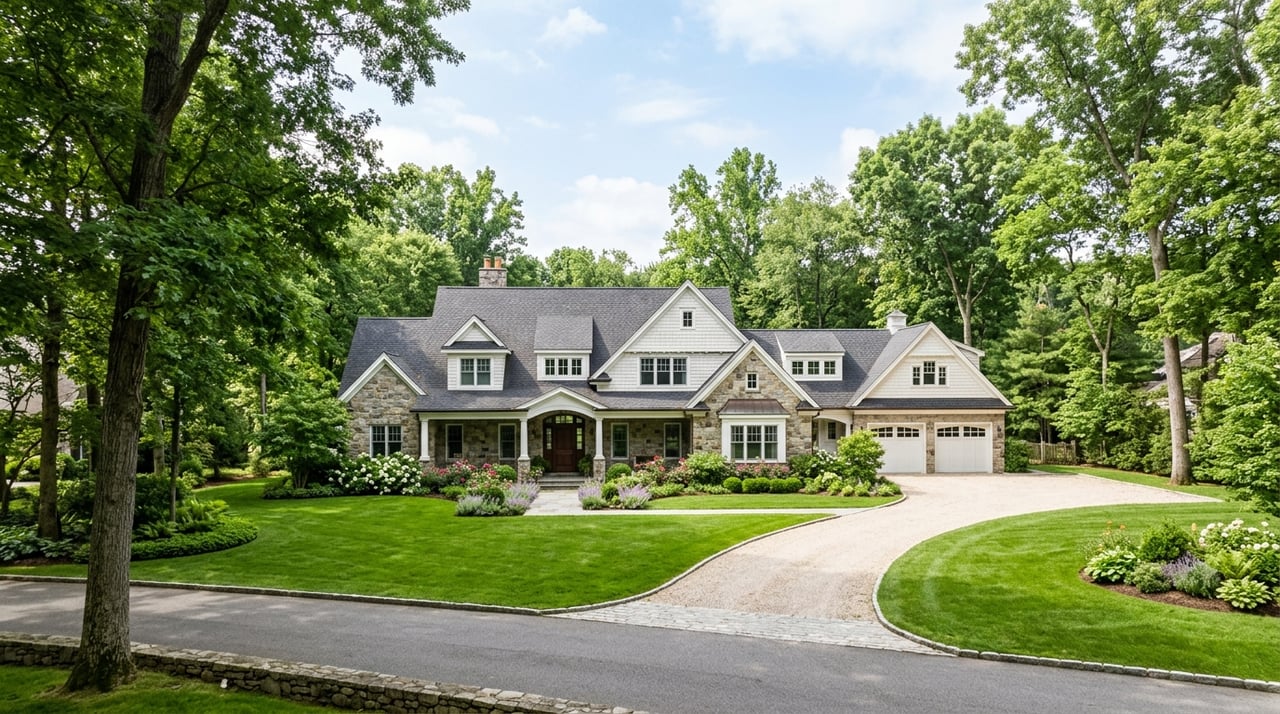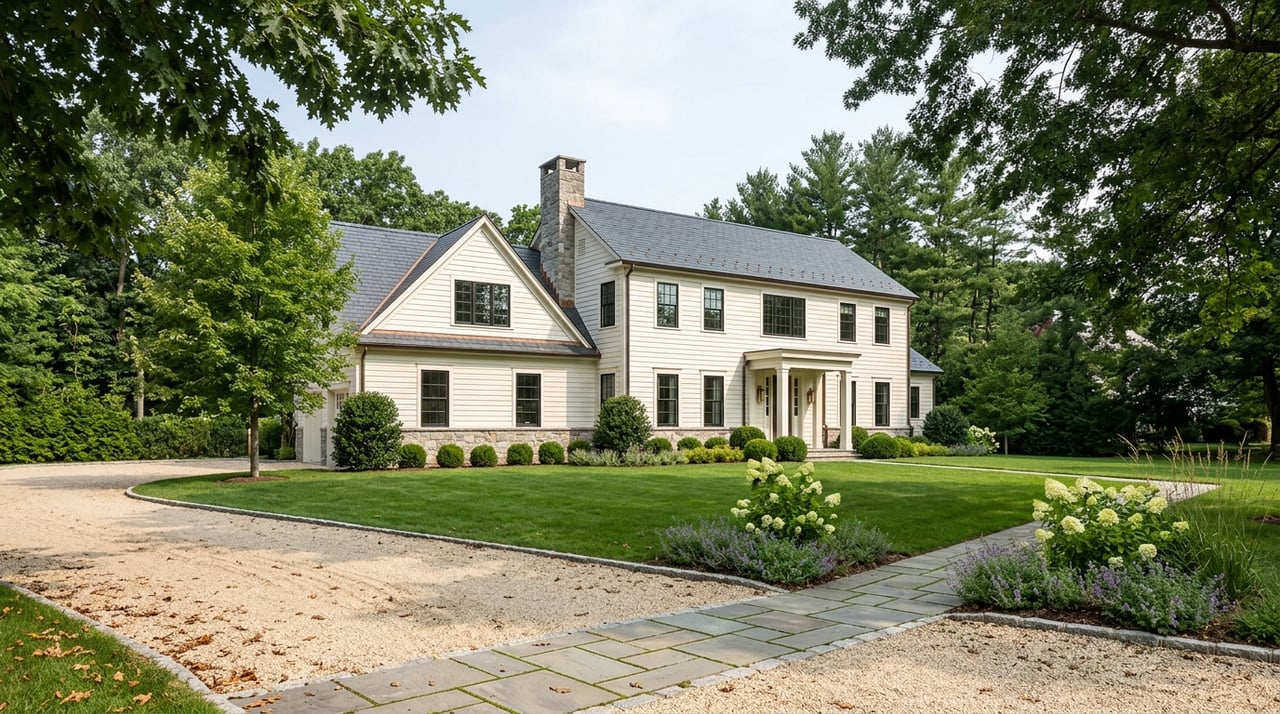
If you picture “country estate living” as open land, quiet roads, and room to breathe, the stretch between Chatham and Harding deserves a closer look. This part of Morris County offers a blend of preserved landscapes, village-style centers, and larger residential properties that can feel distinctly different from a typical suburban setting. If you are exploring a move here, understanding how the corridor actually works can help you focus your search and make better decisions. Let’s dive in.
What country estate living means here
The first thing to know is that “between Chatham and Harding” is not one single estate neighborhood. It is better understood as a corridor shaped by rural Harding landscapes, conserved open space, and the more village-like or suburban settings found in and around Chatham Township.
That character is backed by local planning documents. Harding Township is officially described by the New Jersey Highlands Council as a rural community in southeastern Morris County, while Chatham Township’s master plan emphasizes preserving established character and protecting the natural environment to the greatest practical degree. Together, those priorities help explain why the area feels preserved and spacious.
Why Harding feels more estate-like
If you want the strongest example of true estate-style living in this corridor, Harding stands out. Public zoning records show that in Harding’s RR/R-1 residential zones, the minimum lot size is 5 acres and the minimum lot frontage or width is 300 feet.
That matters because zoning often shapes what you experience day to day. Larger minimum lots can translate into longer setbacks, broader views, and more separation between homes. In a search focused on privacy and land, Harding often becomes the key township to study first.
Harding’s master plan adds more context. It states that the average lot size in its low-density countryside is 5.2 acres, and that many exceptionally large lots still remain. The township also points to a landscape of historic homes, barns, meadows, and retained woodland.
Village areas versus countryside
Not every Harding address feels the same. The township’s land-use plan explains that Harding is organized around four historic crossroad villages: New Vernon, Green Village, Pleasantville, and Logansville, with lower-density countryside surrounding them.
New Vernon is described as the township’s focal point, where municipal and civic uses are concentrated. That means some parts of Harding feel more compact and community-centered, while others feel far more secluded and estate-oriented. If you are trying to compare one property to another, this distinction matters.
Scenic roads and preserved views
A big part of the appeal here is not just lot size. It is the experience of moving through the landscape. Harding’s master plan notes that much of its rural character comes from narrow, minimally improved, curvilinear roads and from public-road views of undeveloped land.
In practical terms, that can mean scenic drives, mature trees, open meadows, and a quieter visual rhythm than you may expect in a commuter-friendly part of North Jersey. For many buyers, that setting is what creates the sense of estate living even before they pull into a driveway.
Open space shapes daily life
One reason this corridor feels so distinct is the amount of preserved land around it. Harding’s open-space plan says preserved open space totals more than 6,200 acres, representing almost half of the township’s land area.
The plan identifies major preserved areas including the Great Swamp National Wildlife Refuge, Morristown National Historical Park, Lewis Morris Park, and Loantaka Brook Reservation. It also notes that many preserved parcels sit along visible road frontages, which reinforces the scenic feel across local roads.
For you as a buyer, that can influence more than a weekend hike. It can shape how the area looks, how connected you feel to nature, and how strongly the landscape holds its character over time.
Great Swamp and trail access
The Great Swamp is one of the defining natural features in this area. The U.S. Fish & Wildlife Service says the refuge covers 7,853 acres and includes close to 11.5 miles of foot trails, along with wildlife observation blinds and an overlook.
Chatham Township adds another easy access point to this outdoor lifestyle. The Morris County Great Swamp Outdoor Education Center in Chatham Township offers two miles of flat trails and boardwalks adjacent to the refuge, which can make nature access feel especially practical for everyday use.
Chatham Township’s local trails map also highlights the Giralda Farms trail, Great Swamp trails, Green Village Conservation Trail, Hillside Trail, Loantaka Brook trail, and Shunpike Trail. If you want outdoor access woven into your routine, that is a meaningful part of the local lifestyle.
Loantaka Brook Reservation and recreation
Loantaka Brook Reservation is another major amenity in the corridor. Morris County says it spans more than 850 acres and offers almost 10 miles of trails.
The reservation supports bicycling, jogging, hiking, horseback riding, and cross-country skiing. Because it extends through Morris Township, Chatham Township, Madison, and Harding, it functions as a shared regional resource rather than a small local park.
That regional connection is part of what makes this area attractive. You can enjoy a quieter residential setting without feeling cut off from established recreational infrastructure.
Equestrian history still matters
For some buyers, estate living also carries an equestrian element. Harding’s open-space plan notes a long history of bridle and equestrian trails, many of which are still actively used, and identifies trail preservation as a planning priority.
That does not mean every home is set up for equestrian use. It does mean the township’s identity has longstanding ties to that tradition, and that the broader landscape still reflects it in important ways.
Chatham adds convenience to the picture
The appeal of this corridor is not only about space and scenery. It is also about balancing those qualities with practical access to town services and commuting options.
Chatham helps provide that balance. While Harding often delivers the strongest large-lot, estate-like setting, Chatham Township contributes a more village-connected and suburban side of the corridor, along with local recreation and rail access nearby.
This mix is what makes the area especially appealing to buyers who want privacy and open space without feeling remote. You can have a more preserved setting while staying connected to daily conveniences.
Commuting from the corridor
For many buyers, rail access is a major part of the decision. NJ Transit lists Chatham Station on Front Street between Fairmount and Washington Avenue, one block off Route 124, with parking, Wi-Fi, and bike storage available.
The station is on the Morris & Essex line. Morris County’s transportation information adds that the Morristown Line and Gladstone Branch provide service to New York Penn Station, Newark Broad Street, and Hoboken.
That makes the corridor a realistic option if you need access to major job centers but want a home setting that feels more spacious and landscape-driven. Commute patterns will vary by exact address, but Chatham Station is the key transit anchor for the area.
Community structure and local rhythm
One misconception about country-style living is that it always feels isolated. In this corridor, that is not really the case.
Harding’s master plan describes New Vernon as the township’s community focal point. Chatham Township’s parks and recreation programming is also supported jointly with Chatham Borough, which reflects an established civic framework behind the lifestyle appeal.
In other words, you are not looking at disconnected country homes with no local center. You are looking at a landscape where quiet residential settings and recognizable community anchors exist side by side.
What to verify before you buy
Because this area spans different local settings, details matter. Two homes that seem close on a map can offer very different living experiences depending on township, zoning, lot size, and proximity to village centers or preserved land.
Before you move too far into a search, it helps to verify a few basics:
- The exact township for the property
- The zoning district for the parcel
- The lot size and dimensions
- The setting, whether village-oriented or countryside-oriented
- Nearby trail, park, or preserved land access
- Commuter access to Chatham Station or other routes
- School assignment for the specific address
School infrastructure is one example of why address-level review matters. The School District of the Chathams says it is a six-school district serving 3,600 students, while Harding Township School District public pages show an integrated preschool program and registration for grades 1 through 8.
The takeaway is simple: routines and public school assignment can differ significantly depending on where the home is located. If you are relocating or planning long term, that is something to confirm early.
Is this corridor right for you?
If your ideal home includes privacy, land, scenic roads, and nearby outdoor access, this corridor offers a compelling mix. Harding often provides the clearest estate-style setting, while Chatham helps round out the picture with commuter convenience, recreation, and a more connected local framework.
The right fit depends on what matters most to you. Some buyers want the largest lots and the strongest rural feel. Others want a home that still feels tucked away but sits closer to train access, trails, or a more village-centered rhythm.
A thoughtful search here is less about chasing a label and more about matching the exact property and location to your daily life. That is where local guidance can make a real difference.
If you are considering a move to the Chatham-Harding corridor and want practical, neighborhood-level guidance, Godby Realtors can help you evaluate locations, compare property settings, and move forward with confidence.
FAQs
What does country estate living mean between Chatham and Harding?
- It generally refers to a blend of larger residential properties, preserved open space, scenic roads, and a quieter landscape, especially on the Harding side of the corridor.
Which part of the Chatham-Harding corridor feels most estate-like?
- Harding, particularly its rural and RR/R-1 areas, is the strongest local example because public zoning there includes 5-acre minimum lots in certain residential zones.
How much preserved open space is near Harding and Chatham?
- There is extensive preserved land nearby, including more than 6,200 acres in Harding’s open-space system, plus the Great Swamp, Loantaka Brook Reservation, Lewis Morris Park, and Morristown National Historical Park.
What outdoor recreation is available near Chatham and Harding?
- The area includes foot trails, boardwalks, biking routes, hiking paths, horseback riding opportunities, and seasonal recreation through places like Great Swamp and Loantaka Brook Reservation.
Is commuting practical from the Chatham-Harding corridor?
- Yes, especially for buyers using Chatham Station, which is on the Morris & Essex line and offers access to New York Penn Station, Newark Broad Street, and Hoboken through Morris County rail connections.
What should buyers verify before purchasing a home between Chatham and Harding?
- Buyers should confirm the exact township, zoning district, lot size, school assignment, and whether the setting is more village-oriented or countryside-oriented for the specific address.