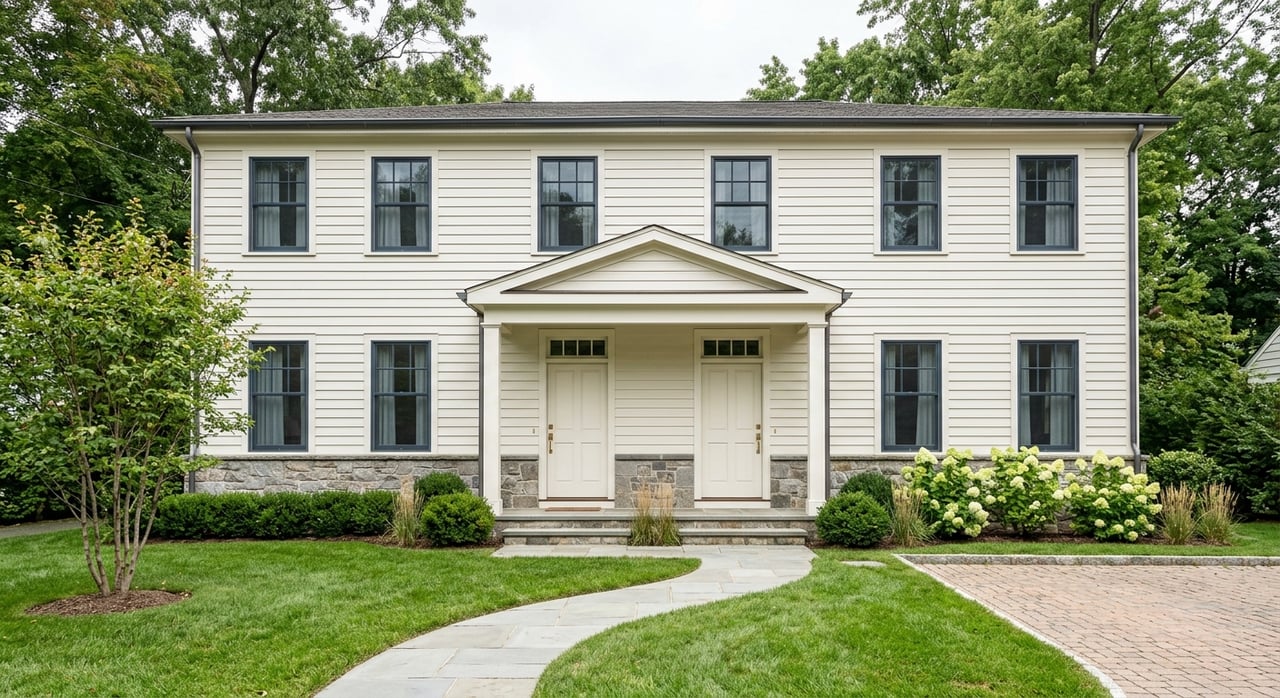
Curious whether an investment property in Morristown or Morris Township will really pencil out? That question matters more here than in many nearby markets, because two locations in the same county can underwrite very differently. If you are weighing a condo rental, small multifamily, mixed-use building, or single-family investment, this guide will help you evaluate rent potential, taxes, local rules, and risk with more confidence. Let’s dive in.
Why Morristown and Morris Township differ
Morristown and Morris Township share a county, but they do not offer the same investment setup. Morristown has a much denser renter base, with an owner-occupied housing rate of 36.7%, while Morris Township is far more owner-occupied at 85.8%. For you as an investor, that usually means Morristown presents more obvious rental inventory and Morris Township may offer fewer straightforward buy-and-hold opportunities.
The rent and income data also tell an important story. Morristown’s median gross rent is $2,274 and its median household income is $121,340. Morris Township’s median gross rent is $2,207, but its median household income is higher at $194,142, which reflects a more suburban, owner-oriented housing profile.
Property mix matters too. Morristown’s 2024 budget data show 3,614 residential parcels, 504 commercial parcels, and 77 apartment parcels. That mix points to a market where downtown apartments, small multifamily properties, and mixed-use assets may deserve more attention than they would in Morris Township.
Start with the right property type
In Morristown, you are more likely to come across downtown apartments, mixed-use buildings, and rental condos or single-family homes. Because the town has a denser, mixed-use core, each asset needs a close look at use, layout, and compliance before you make assumptions about income. A property that looks simple on paper may come with extra local requirements.
In Morris Township, the housing stock feels more suburban and owner-occupied. That does not mean rental opportunities do not exist, but it does mean you should be careful about supply, future tenant demand, and the local approval process if you plan to lease the property. In a market with fewer obvious rentals, good inventory can be harder to replace.
Check zoning and sale requirements early
Before you get deep into pricing or renovation plans, confirm how the property can legally be used. In Morristown, the zoning office says a zoning permit is required for every property sale, including single-family homes. Zoning approval is also required before a structure is built, altered, or its use is changed.
That step is especially important because Morristown adopted a new Land Development Ordinance in February 2024, which became effective March 4, 2024. If you are considering a mixed-use building, a conversion, or a property with a nonstandard setup, verify current requirements before underwriting your deal.
Morris Township buyers should also confirm local paperwork and use rules before closing or re-leasing. Township materials reference landlord registration and a certificate-of-habitability or continued-occupancy process. If your plan depends on quick tenant placement, that timing can affect your carrying costs.
Understand Morristown rent control
If you are buying in Morristown, rent control can be one of the biggest underwriting variables. The town says rent control applies to rental units built before 1981, including non-exempt apartment buildings, multifamily homes, and even single-family homes or condominium units rented during an owner’s absence. That means a property’s age and use history can directly affect your rent-growth assumptions.
Owners of covered properties must register annually and whenever tenancy changes. They also must provide 60 days’ notice before changing rent and get approval before passing through capital-improvement surcharges. If you miss these requirements, your numbers may look better on paper than they do in practice.
Morristown also allows vacancy decontrol and re-control. After a voluntary move-out, the next rent may be negotiated at market rate, but the new tenancy then becomes protected by rent control. For you, that means lease turnover can create an opportunity, but future increases may still be limited.
Factor in New Jersey rental compliance
Local rules are only part of the picture. New Jersey adds statewide landlord registration, habitability, and lead-based paint requirements that can affect timeline, cost, and risk.
The New Jersey Department of Community Affairs says buildings with three or more rental units must register with the Bureau of Housing Inspection. One- and two-unit buildings that are not owner-occupied must register with the municipal clerk. Owner-occupied two-family houses are exempt from registration.
The same state guidance says the implied warranty of habitability applies to rental housing, and evictions cannot be filed unless the rental property is registered. That makes registration a core operational issue, not just a paperwork detail.
Lead-based paint compliance deserves special attention for older buildings. Certain single-family, two-family, and multiple rental dwellings must be inspected for lead-based paint hazards unless they qualify for an exemption, such as being built during or after 1978 or holding valid lead-safe certification. Inspections were due no later than July 22, 2024 or at tenant turnover, whichever came first, and then every three years or at turnover, whichever is earlier.
Estimate rent with public benchmarks
A smart rent estimate starts with public data, then gets refined by the property itself. For Morris County in the Newark HMFA, HUD’s FY 2026 Fair Market Rent schedule lists gross rents of $1,612 for a studio, $1,822 for a one-bedroom, $2,205 for a two-bedroom, $2,761 for a three-bedroom, and $3,137 for a four-bedroom. Because these are gross rents, they include shelter rent plus tenant-paid utilities except telephone, cable or satellite TV, and internet.
That makes HUD useful as a reality check, not a final answer. You still need to adjust for unit size, condition, parking, layout, and amenities. A renovated unit with strong parking may justify a higher figure, while an outdated unit or one with limited utility setup may come in lower.
Census figures help as a local cross-check. Morristown’s median gross rent is $2,274, and Morris Township’s is $2,207. Both sit close to HUD’s two-bedroom benchmark, which suggests that property-level details can make a real difference in whether an asset outperforms the local median.
Underwrite taxes from actual bills
Taxes can make or break a deal in these two markets, so avoid using rough county averages. Morristown’s revaluation became effective in 2024, while Morris Township’s last township-wide revaluation went into effect in 2016. That means older assumptions may be outdated, especially if you are reviewing historic numbers from a listing sheet or prior owner records.
In Morris Township, the 2024 budget presentation projected a total property tax rate of $1.990 per $100 of assessed value and showed a $11,940 tax bill on a $600,000 example. Morristown’s 2025 municipal budget presentation showed an average residential municipal tax bill of $3,626 on an average assessment of $635,270. Those figures are useful context, but your underwriting should always start with the actual parcel tax bill.
You should also know that both municipal assessors provide access to deed and tax records, and both list April 1 appeal deadlines. Morris Township’s assessor also says Chapter 91 income-and-expense statements are mailed annually to owners of income-producing property and must be returned within 45 days. If you are evaluating an income-producing asset, that is a detail worth noting early.
Do not ignore sewer and carrying costs
Many buyers focus on mortgage, taxes, and insurance first. That is important, but smaller line items can still change your return, especially in multifamily or mixed-use property.
Morris Township’s tax-collector materials show separate sewer billing and a 2026 sewer fee adjustment, including per-unit apartment charges and commercial rates. Morristown also has a separate sewer-billing function. If you are comparing two similar properties, differences in sewer structure and utility responsibility can affect your net income more than you expect.
A practical expense review should include:
- Actual property taxes
- Sewer charges
- Insurance costs
- Vacancy allowance
- Repairs and maintenance
- Property management
- Capital reserves
Review flood and insurance risk
Flood exposure should be checked before you finalize an offer or bind insurance. FEMA’s Flood Map Service Center is the official public source for flood-hazard information, and maps can be searched by address. FEMA also notes that there is no such thing as a no-risk zone.
This matters because most homeowners insurance does not cover flood damage. If a property has flood exposure, you may need separate flood insurance, and that cost should be added to your underwriting right away. Even a property with strong rent potential can become less attractive once insurance and risk are priced in.
A practical evaluation checklist
If you want a clean way to evaluate an investment property in Morristown or Morris Township, work through the basics in order. This can help you avoid falling in love with a projected return that does not survive real-world review.
Local underwriting steps
- Confirm zoning and permitted use
- Verify whether the sale or intended use triggers municipal permits or review
- Check whether Morristown rent control applies, especially for pre-1981 rentals
- Confirm landlord registration and habitability requirements
- Review lead-based paint inspection obligations for older properties
- Estimate rent using HUD benchmarks, Census data, and local comps
- Pull the actual tax bill and review appeal posture if relevant
- Add sewer, insurance, vacancy, repairs, management, and reserves
- Check flood exposure before final pricing decisions
When local guidance adds value
Some properties are simple. Others come with overlapping questions about zoning, rent leveling, registration, taxes, tenant turnover, insurance, and ongoing management. In Morristown especially, a pre-1981 rental, mixed-use building, or small multifamily asset can become compliance-heavy fast.
That is where local, hands-on guidance can save you time and reduce surprises. A boutique team with experience across residential, commercial, leasing, property management, and insurance can help you evaluate the full picture, not just the asking price. If you are comparing opportunities in Morristown and Morris Township, Godby Realtors can help you sort through the numbers, the local rules, and the strategy behind your next move.
FAQs
What makes Morristown different from Morris Township for investors?
- Morristown has a denser renter base, more mixed-use character, and more obvious rental inventory, while Morris Township is much more owner-occupied and often presents fewer straightforward buy-and-hold rental opportunities.
What should you check before buying a rental property in Morristown?
- You should confirm zoning, sale-related permit requirements, whether local rent control applies, state registration rules, lead-based paint obligations, actual property taxes, sewer costs, and flood exposure.
Does rent control affect Morristown investment properties?
- Yes. Morristown says rent control applies to rental units built before 1981, including many multifamily, apartment, single-family, and condominium rentals, so you need to review how that affects rent growth and registration requirements.
How can you estimate rent for a Morristown or Morris Township investment property?
- Start with HUD Fair Market Rent data and local Census median gross rent figures, then adjust for the property’s size, condition, parking, layout, and amenities.
Why are property taxes so important when evaluating Morris County investment property?
- Taxes are a major underwriting factor, and recent or older revaluations can affect assessed values, so you should use the actual parcel tax bill instead of broad averages or stale listing assumptions.
What statewide New Jersey rules should rental property buyers know?
- Buyers should review landlord registration requirements, habitability obligations, and lead-based paint inspection rules, especially for non-owner-occupied small buildings and older rental properties.