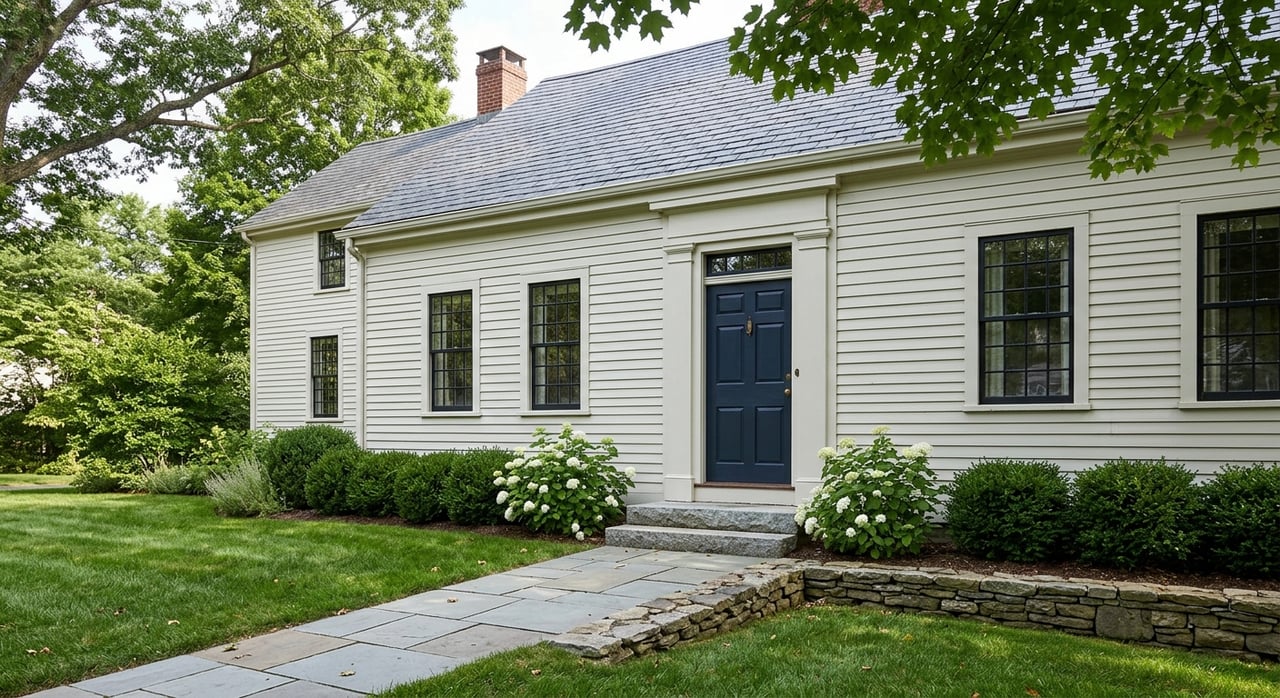
If you are drawn to homes with character, Bernardsville offers something harder to find than a single architectural style or one preserved block. It offers a town where history is part of daily life, from early crossroads buildings and railroad-era landmarks to residential streets that still reflect early 20th-century planning. If you are considering a move here, understanding how historic homes fit into the broader feel of Bernardsville can help you decide whether this lifestyle matches what you want. Let’s dive in.
Why Bernardsville Feels Historic
Bernardsville has a long and layered story. According to the borough’s downtown historic walking tour, the area began as Vealtown, was first settled along Mine Brook in 1736, and became Bernardsville in 1840.
The arrival of the railroad in the early 1870s changed the town in lasting ways. Summer residents, merchants, and estate owners helped shape a community that blended older crossroads history with railroad-era commerce and later residential growth. Today, the borough is described by the state as a suburban-rural residential community with a mixed-use downtown and NJ Transit service on the Gladstone Branch.
That sense of history extends beyond the town center. The New Jersey Highlands Council notes that Bernardsville contains a large portion of Morristown National Historical Park, which helps explain why the area feels historically connected at both the neighborhood and landscape level.
Historic Homes and Everyday Living
Living among historic homes in Bernardsville is not the same as living in a museum setting. What stands out here is how older homes, civic buildings, trails, and downtown spaces all remain part of everyday routines.
You can see that in the borough’s official walking-tour materials, which describe Olcott Square as the heart of the historic crossroads and a longtime gathering place for celebrations, parades, rallies, dances, fireworks, and commemorations. That kind of continuity gives the town a lived-in feel that many buyers are looking for when they say they want "character."
The borough also promotes local trails that connect residents to nearby historic settings. The Old Army Trail and related Bernardsville trail network connect to places tied to Revolutionary War travel and Morristown National Historical Park, so the historic atmosphere is not limited to one street or district.
Olcott Avenue Tells the Best Home Story
For buyers interested in historic housing, the clearest residential example is the Olcott Avenue Historic District. It was listed on the National Register of Historic Places in 2009 and includes portions of Olcott, Childsworth, Highview, and Church streets just north of downtown.
The borough describes Olcott Avenue as a planned neighborhood created to attract merchants and entrepreneurs. It featured moderate lots, deed restrictions, and a cohesive streetscape, which still helps define the district today. Rather than focusing on a single home, the appeal is often the overall rhythm of the neighborhood and the visual continuity from one property to the next.
That is a big part of what buyers respond to in historic neighborhoods. You are not just choosing a house. You are choosing a street setting shaped by age, craftsmanship, and long-term care.
What Makes These Homes Appealing
Historic homes in Bernardsville often attract buyers who care about details that newer construction may not easily replicate. The borough’s preservation materials emphasize the value of historic fabric, distinctive craftsmanship, and compatible improvements.
In practical terms, that can mean:
- Older architectural details and materials
- A more established streetscape
- A sense of continuity from house to house
- Proximity to a historic downtown environment
- A stronger connection between the home and the town’s larger story
For many buyers, that combination creates a more grounded, personal living experience. Instead of feeling interchangeable, the home and neighborhood feel specific to Bernardsville.
Downtown Adds to the Lifestyle
One reason historic-home living works so well here is that Bernardsville’s downtown still supports a walkable, village-like pattern. The borough’s zoning code says the Downtown Core is centered on Olcott Square, with buildings generally close to the sidewalk and parking behind them.
That same zoning guidance for downtown Bernardsville says the goal is to preserve historic character while keeping new development compatible. It also describes the architecture as ranging from early 20th-century masonry and stucco storefronts to older residential-type buildings, creating a unique village-like character.
That matters when you think about day-to-day living. If you buy in or near a historic part of Bernardsville, you are not only getting an older home. You are also gaining access to a town center designed to feel layered, walkable, and human-scaled.
The state has also recognized that local effort. In 2021, Downtown Bernardsville was designated a Main Street New Jersey community, citing community engagement, support for local businesses, and maintenance of historic structures.
Landmarks Shape the Town’s Identity
Several well-known buildings help explain why Bernardsville’s historic setting feels so complete. The borough’s walking tour highlights John Parker Tavern, which began as an 18th-century roadside tavern and later became the Bernardsville Public Library.
The Bernardsville Railroad Station, built in 1901 and 1902, is another major landmark. Its Richardsonian Romanesque design, massive stone walls, and interior details reflect the importance of the rail era in shaping the town.
Other local landmarks add to that sense of continuity. The Old Stone Hotel dates to 1849, and the Claremont Hotel, built in 1878 across from the station, reflects Bernardsville’s growth as a destination for train travelers. Together, these buildings show how multiple eras remain visible within a relatively compact area.
Ownership Means Stewardship
If you are considering an older home, it is important to think beyond charm alone. Historic-home ownership often involves stewardship, especially when a property is located within a recognized historic district.
The National Park Service rehabilitation standards say work on historic properties should retain a property’s historic character, preserve distinctive features and craftsmanship, and repair deteriorated historic features rather than replace them when possible.
For buyers, that usually means doing a little extra homework before planning visible exterior changes, additions, or major updates. If a property may be part of a historic district, it is wise to confirm whether it is considered a contributing resource and understand any review considerations tied to future work.
Bernardsville Has a Preservation Culture
One helpful part of buying in Bernardsville is that preservation is not treated as an afterthought. The borough’s Historic Preservation Advisory Committee was founded in 2002, helped with the 2009 registration of the Olcott Avenue Historic District, and has identified more than 100 historic structures in the borough.
That points to a local culture that values education, outreach, and long-term planning. For you as a homeowner or buyer, that can make the process feel more understandable because the community already has resources and local context in place.
It also reinforces an important point about Bernardsville. Historic living here is not just about individual houses. It is about being part of a town that actively recognizes and maintains its architectural and civic identity.
What Buyers Should Keep in Mind
If Bernardsville’s historic homes appeal to you, a few practical questions can help guide your search:
- Is the property located in or near a recognized historic district?
- Does the home retain notable original materials or features?
- What maintenance items are typical for a home of this age?
- If you plan updates, are there any local considerations for exterior work?
- How important is proximity to downtown, trails, and historic landmarks to your lifestyle?
These questions can help you balance emotion and practicality. The goal is not just to fall in love with an older home, but to choose one that fits the way you want to live and maintain property over time.
Why This Lifestyle Resonates
Historic homes often appeal to buyers who want more than square footage alone. In Bernardsville, the draw comes from the relationship between the home, the street, the downtown, and the surrounding historic landscape.
You can feel that connection in the Olcott Avenue district, in the architecture around Olcott Square, and in the local trails that tie the borough to a larger historical setting. It is a style of living that offers continuity, texture, and a sense of place that many buyers find meaningful.
If you are exploring Bernardsville or comparing historic-home options across northern New Jersey, working with a brokerage that understands local housing character can make the process much smoother. Godby Realtors offers a concierge, relationship-first approach grounded in decades of local market knowledge, helping you evaluate homes, neighborhoods, and the practical details that matter most.
FAQs
What is the Olcott Avenue Historic District in Bernardsville?
- The Olcott Avenue Historic District is a National Register-listed historic neighborhood just north of downtown Bernardsville that includes portions of Olcott, Childsworth, Highview, and Church streets.
What makes downtown Bernardsville feel historic?
- Downtown Bernardsville retains a long-established footprint centered on Olcott Square, with older buildings close to the sidewalk, a mix of architectural styles, and a village-like layout shaped by preservation goals.
What should you know before buying a historic home in Bernardsville?
- You should confirm whether the property is in a historic district, understand the home’s age and condition, and check any considerations that may apply before making visible exterior changes or additions.
What landmarks contribute to Bernardsville’s historic character?
- Notable landmarks include John Parker Tavern, the Bernardsville Railroad Station, the Old Stone Hotel, the Claremont Hotel, and trails tied to Revolutionary War and regional historic sites.
Why do buyers look for historic homes in Bernardsville NJ?
- Buyers are often drawn to the craftsmanship, established streetscapes, connection to downtown, and the broader sense of place created by Bernardsville’s layered local history.