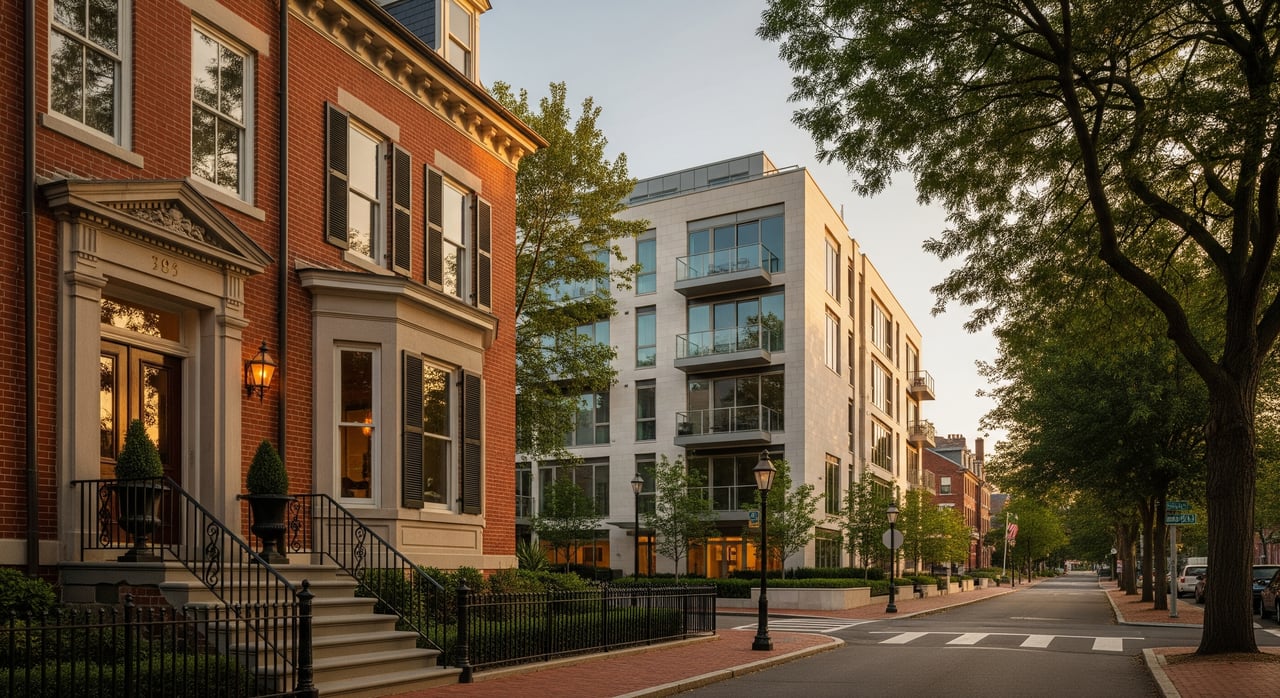
Not sure if you’ll be happier in a condo or a townhouse in Morristown? You are not alone. With a walkable downtown, strong commuter access, and a mix of newer and historic communities, both options can be great fits depending on how you want to live. In this guide, you will learn the key differences in ownership, costs, maintenance, financing, lifestyle, and resale so you can choose with confidence. Let’s dive in.
Quick definitions
What is a condo?
A condominium gives you ownership of the interior of your unit and a shared interest in the common elements like hallways, roof, exterior, and grounds. In New Jersey, condos are governed by a declaration and bylaws under the New Jersey Condominium Act. If you want a simple division of responsibilities, a condo often makes that clear. For a helpful primer on how community associations function, review the Community Associations Institute’s resources on condominiums and HOAs at the Community Associations Institute.
What is a townhouse?
In many Morristown developments, a townhouse is fee simple ownership of the unit and the land under it. Some townhouses are attached, some are detached. Exterior maintenance and common areas may be handled by a homeowners association with covenants, conditions, and restrictions. Important note: a townhouse can also be set up as a condominium in legal form. Always confirm with the community’s legal documents.
Morristown lifestyle factors
Walkability and downtown access
Downtown Morristown centers around the Morristown Green, with restaurants, cultural venues, and retail a short walk away. Many condo buildings and attached townhome communities sit within easy reach of the Green and the NJ Transit Morristown station, which is a major amenity for commuters. For an overview of downtown events and services, explore the Town of Morristown’s official site.
Submarkets to consider
- Immediate downtown: You will see more condo inventory, smaller footprints, and a premium for walkability and amenities.
- Nearby residential streets and historic districts: You will find more townhouses and single‑family homes, often with private entries and small outdoor spaces.
Typical buyer profiles
- Condos often attract professionals who commute, downsizers who want less exterior maintenance, and some investors, subject to association and municipal rules.
- Townhouses often appeal to buyers who want more square footage, a private garage or entry, and still want to be near downtown.
Ownership and costs
Monthly carrying cost
Look beyond the purchase price. Compare the full monthly picture:
- Mortgage principal and interest
- Property taxes
- HOA or condo fees
- Home insurance
- Utilities and services
- Parking or storage fees, if applicable
New Jersey has some of the nation’s higher property tax burdens, and Morris County is no exception. Always review the most recent tax bill for any property you are considering. You can verify assessments and learn about the process with the county’s Board of Taxation or your municipal tax office.
HOA and condo fees
Association fees vary widely by building, services, and amenities. Ask for:
- Current budget, last fiscal year’s budget, and most recent financials
- Reserve study and current reserve balance
- History of special assessments and upcoming projects
- Rules and regulations for pets, rentals, parking, and renovations
What fees often cover:
- Common area insurance and exterior maintenance
- Landscaping, snow and trash removal
- Common utilities, and in some buildings, heat, water, or gas
- Building amenities like elevator, gym, doorman, and professional management
Healthy reserves reduce the chance of special assessments. Review meeting minutes for the past 12 to 24 months to understand near‑term projects.
Insurance differences
- Condo: The association usually holds a master policy for the building and common elements. You carry an HO‑6 policy for interior finishes and personal property. Confirm the master policy type and deductibles.
- Townhouse: If you own the structure and land, you usually carry a standard dwelling policy (HO‑3) that covers the exterior and roof. If the townhouse is a condominium in legal form, the association’s master policy may still cover some exterior elements. Always check the documents.
Utilities and services
Condo fees may include some utilities and building systems. Townhouse associations tend to cover fewer ongoing services, often focusing on exterior maintenance and common areas. Confirm exactly what is included so you can compare apples to apples.
Maintenance and day‑to‑day living
Exterior and systems
- Condos generally require less time for exterior upkeep. The association handles the roof, facade, and grounds.
- Townhouses may require more owner involvement for exterior items unless the HOA covers them. Many townhouse communities do include exterior maintenance. Review the CC&Rs.
Space, privacy, and outdoor access
- Townhouses often provide more square footage, multi‑level layouts, and private entries. Some offer a small yard or patio.
- Condos often have a smaller footprint but can offer elevators, fitness rooms, or a doorman, and very close access to downtown.
Parking and storage
- Downtown condos may have assigned garage spaces, valet, or permit‑based parking. Guest parking rules can be strict.
- Townhouse communities often include a private garage or driveway. Always verify how the garage is taxed and recorded.
Pets and rentals
Associations set policies on pets and rentals, including owner‑occupancy thresholds and minimum lease terms. If you own pets or plan to rent, request the current rules and any recent variances before you write an offer.
Financing and timing
Condo underwriting
Lenders often apply project‑level reviews to condos. That can include owner‑occupancy ratios, budget and reserve strength, and checks for litigation. FHA and VA loans require project approval for the most flexible terms. Some lenders finance units in non‑approved projects, but terms can differ. Ask your lender early about the building you are considering.
Townhouse financing
If the townhouse is fee simple, it usually qualifies for standard single‑family financing with fewer project‑level hurdles. If the townhouse is a condominium in legal form, your lender may still apply condo project requirements.
Closing timeline
Condos can involve extra steps like board applications, resale certificates, or estoppel letters. Build a little time into your contract to obtain and review association documents.
Resale and marketability
Buyer pools
- Condos: First‑time buyers, downsizers, and commuters often target condo buildings close to transit and the Green.
- Townhouses: Buyers who want more space, a private garage, and a home‑like layout often prefer townhouses near downtown.
Pricing drivers
Walkability, proximity to NJ Transit, condition, and building amenities are strong price drivers for downtown Morristown properties. Newer or well‑maintained communities with healthy reserves and professional management tend to inspire stronger buyer confidence than associations with deferred maintenance or significant litigation.
Investor considerations
If you plan to rent the unit, review municipal rules and the association’s rental restrictions. High investor percentages can affect mortgage availability and market perception, so note any caps or waitlists.
Comparable sales
Compare condos with recent condo sales and townhouses with townhouse sales. Adjust for distance to the Morristown Green, distance to the station, interior condition, and parking.
Due diligence checklist
Before you finalize an offer, request these items:
- Governing documents: Declaration, Bylaws, CC&Rs
- Current budget and last year’s budget
- Most recent financial statements and audits
- Reserve study and current reserve balance
- Insurance certificate and master policy declarations
- Rules and regulations, including pets, rentals, parking, renovations
- Board and owner meeting minutes for the last 12 to 24 months
- Any pending or recent litigation disclosures
- Planned capital projects and any special assessments
- Recent property tax bill and assessed value
- Title report or commitment, including any master deed references for condos
- Data on owner‑occupancy, delinquency rates, and management
Red flags include very low reserves, repeated special assessments, large fee increases, unresolved litigation, or high delinquency rates.
How to choose your fit
Use these questions to zero in on the right choice for you:
- Do you want maximum walkability with minimal exterior tasks, or more space with a private entry and garage?
- Will you commute by train often, or do you need quick highway access and extra storage?
- Is a fitness room, elevator, or doorman more valuable than a small yard or patio?
- What is your true monthly budget once you include taxes, insurance, and fees?
- Do you need flexible rental options now or in the future?
- Do you plan any renovations that may require association approval?
If you prefer a streamlined lifestyle steps from the Green and the station, a condo may be the better fit. If you want multi‑level living, a garage, and a home‑like feel while staying close to town, a townhouse may serve you well.
Your next step
You do not have to sort this out alone. A local, hands‑on advisor can help you compare specific buildings, obtain the right documents, and run true monthly cost estimates. Tell us your priorities and we will curate condo and townhouse options in Morristown that match your lifestyle, commute, and budget. Ready to get started? Reach out to Godby Realtors to Request a Concierge Consultation.
FAQs
Which is more expensive monthly in Morristown?
- It depends on the property. Compare mortgage, taxes, HOA or condo fees, insurance, utilities, and parking. Condos may have higher fees if they include services and amenities, while townhouses may have lower fees but higher individual insurance and some exterior costs.
Who pays for roof and exterior in each option?
- In a condo, the association typically handles the roof and exterior through the master policy and budget. In a fee simple townhouse, the owner often covers exterior items unless the HOA documents state otherwise.
How do I confirm if a townhouse is legally a condo?
- Review the community’s legal documents and the ownership type on the deed. Ask for the declaration, bylaws, and CC&Rs to confirm whether the project is structured as a condominium.
Can I rent my unit in Morristown?
- It depends on association rules and local ordinances. Many communities set rental caps, minimum lease terms, or approval steps. Always review the current rules before you buy.
Do HOA or condo fees affect resale value?
- Yes. Buyers weigh monthly fees against included services and building health. Strong reserves, stable fees, and well‑maintained common areas can support value, while repeated assessments or litigation can hurt marketability.
What financing programs are available for condos vs townhouses?
- Fee simple townhouses often use standard single‑family mortgages. Condos may require project approval for certain loan programs, and lenders will review budgets, reserves, and owner‑occupancy.
What documents should I review before making an offer?
- Ask for governing documents, current and prior budgets, financials, reserve study, insurance details, meeting minutes, rules and regulations, litigation disclosures, planned projects, and the recent tax bill.
How can I estimate my true monthly carrying cost?
- Add your estimated mortgage payment to current property taxes, HOA or condo fees, insurance premiums, and typical utilities or parking fees. Use actual documents and current bills from the specific property whenever possible.