Choosing between Jockey Hollow and in-town Chatham often comes down to one simple question: do you want more space or more convenience? If you are trying to balance commute habits, lot size, home style, and day-to-day lifestyle, the decision can feel surprisingly close. The good news is that both areas offer distinct advantages, and once you understand the tradeoffs, the right fit becomes much clearer. Let’s dive in.
What Makes These Areas Different
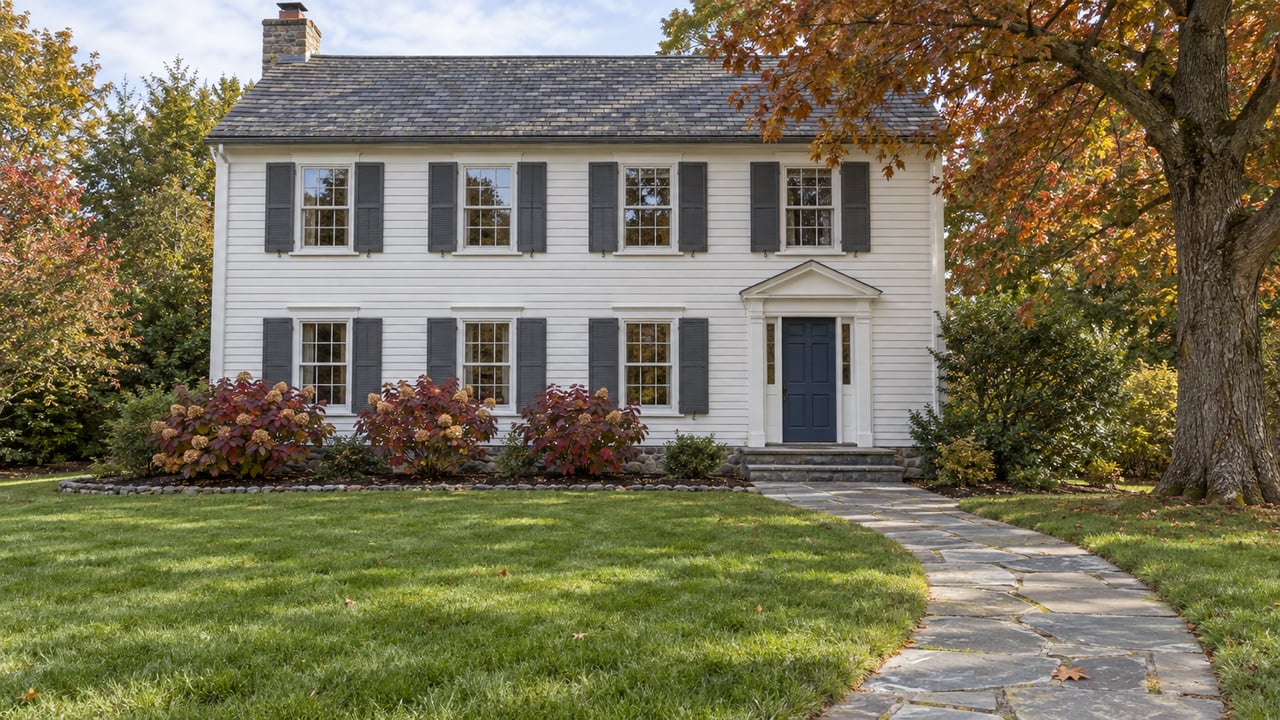
At a high level, in-town Chatham usually refers to Chatham Borough, while Jockey Hollow points buyers toward the larger-lot, more open-feel side of Chatham Township. The borough is a compact 2.35-square-mile community centered around Main Street, with a defined downtown and residential streets shaped by late-19th- and early-20th-century development.
Chatham Township has a different physical pattern. Township planning documents describe it as a collection of suburban and rural residential neighborhoods with preserved lands, remaining countryside, and a more open feel. In practical terms, that often means more separation between homes and a setting that feels less village-like.
In-Town Chatham: Why Buyers Choose It
If you like the idea of being close to daily essentials, Chatham Borough tends to stand out. The borough has a central business district on Main Street, smaller retail nodes, and a historic district officially designated by the local Historic Preservation Commission.
For many buyers, the biggest appeal is not just charm. It is convenience. If you want a shorter errand radius and easier access to the train and downtown, in-town Chatham often checks those boxes better than the township side.
Walkability and Daily Routine
Your daily routine matters more than most buyers expect. If you enjoy being able to get to the station, Main Street, or nearby errands with less driving, the borough’s compact layout can make everyday life feel simpler.
That convenience can be especially meaningful if you commute regularly. NJ Transit’s Morris & Essex timetable includes service from Chatham station toward New York Penn and Hoboken, so rail access is part of the picture for buyers on both sides of Chatham.
Train Access and Parking
The train conversation gets more specific when you look at station parking. Chatham Borough says train-station parking permits are available to borough residents only, the permits have a waitlist, and the annual cost is $600.
That does not mean every borough home is walk-to-train. It does mean many borough buyers may find the overall rail setup easier to manage, especially if commuting is part of the weekly routine.
Jockey Hollow: Why Buyers Choose It
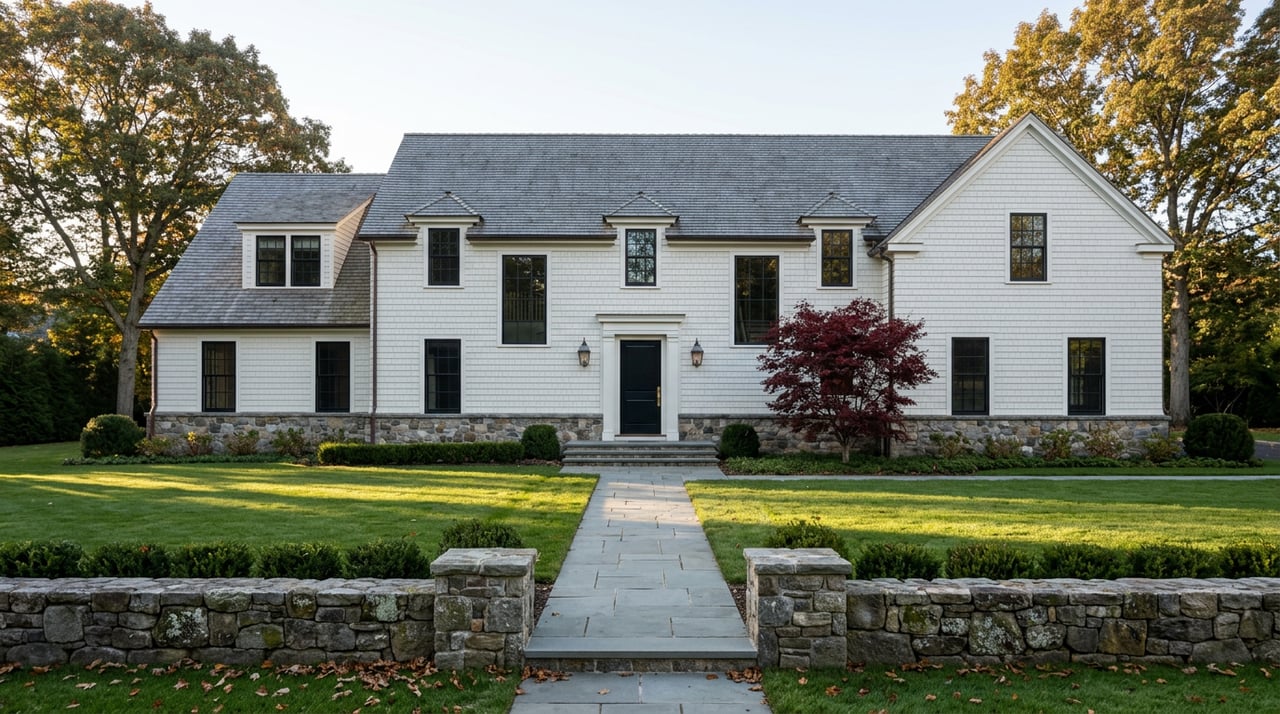
If your priority is more yard, more privacy, and a more spread-out setting, Jockey Hollow and the township side often make more sense. Township planning materials point to a suburban and rural residential pattern, and the housing profile supports that more spacious feel.
For many buyers, this side of Chatham is less about being close to downtown and more about how the property itself lives. You may be looking for more breathing room, larger floor plans, or a quieter physical setting.
More Land and More Separation
One of the clearest differences between the borough and township is lot size. Borough zoning sets detached-home minimum lot areas at 7,500 square feet in R-3, 9,300 square feet in R-2 and R-4, and 15,000 square feet in R-1.
Township zoning is much larger. The zoning schedule requires 20,000 square feet for R-3 one-family conventional lots, 41,250 square feet for R-1A one-family conventional lots, and 100,000 square feet for R-1 conventional lots.
Those zoning standards help explain why the township side usually feels more open. They also support the common buyer expectation of more yard space and greater separation between houses.
Larger Homes and Newer Profiles
The housing stock also differs. Chatham Township’s 2025 housing element says 52.2% of homes have four or more bedrooms, and a meaningful share of its homes were built in the postwar decades, including 19.3% from 1950 to 1959 and 16.6% from 1980 to 1989.
That profile often appeals to buyers who want more interior space or a home layout that feels less tied to early 20th-century patterns. If your wish list includes larger room counts and a more suburban lot-and-home package, the township side may line up better.
Housing Stock: Older Character vs More Postwar Homes
A lot of buyers are not just choosing a location. They are choosing a style of home and the type of upkeep or updates that may come with it.
Chatham Borough has an older and more mixed housing inventory. Its housing element says more than one-third of the housing stock dates to the early 20th century, and a large number of units were built in 1939 or earlier.
That older profile can mean architectural variety and historic character. It can also mean a different renovation picture than what you may find in parts of the township.
Chatham Township shows a more postwar-heavy profile overall. Only 7.6% of homes were built in 1939 or earlier, which gives buyers a different mix of housing eras and floor plans.
Budget Differences to Expect
Price is never the only factor, but it matters. Current Census estimates put the median owner-occupied home value at $984,900 in Chatham Borough and $1,072,600 in Chatham Township.
That suggests the township side is typically the pricier side on median value, not just on lot size. If you are comparing options, it helps to think about budget in terms of what you are buying beyond square footage, including land, privacy, and overall setting.
Commuting: Which Side Works Better?
If you commute by rail most weekdays, in-town Chatham usually has the edge. The borough’s compact layout and resident-only station permit structure can make the process easier for many homeowners.
If you commute less often, work hybrid, or already expect to drive as part of your routine, the township side may feel like an easier tradeoff. The planning profile of the township suggests a drive-to-station routine is more likely than a walk-to-station routine.
Which Side Fits Your Lifestyle?
The real choice is not about one area being better than the other. It is about matching the property and location to how you actually want to live.
Choose In-Town Chatham If You Want:
- A shorter errand radius
- Easier access to Main Street
- Stronger walk-to-train potential
- Older housing stock and historic character
- A more compact, village-like setting
Choose Jockey Hollow or Township Side If You Want:
- More yard space
- More privacy
- Larger lot sizes
- Bigger floor plans
- A more suburban or semi-rural feel
One Important Similarity
Even though the borough and township feel different, both are largely built out. That means buyers should generally expect existing-home inventory, selective infill, and redevelopment pressure rather than large new subdivisions.
That is important because your search will likely be about finding the right resale home in the right micro-location, not waiting for broad new-home supply to reshape the market.
How To Decide With Confidence
If you are torn, start with your weekly routine instead of your dream list. Ask yourself how often you want to drive, how much lot size really matters, and whether you would trade convenience for more privacy and interior space.
Then look at the housing stock through that lens. An older in-town home and a larger township property may both fit your budget, but they can support very different lifestyles.
The best decision usually comes from being honest about what matters on an ordinary Tuesday, not just what looks appealing in a listing. If you want local guidance comparing Chatham Borough and the township side home by home, Godby Realtors can help you sort through the tradeoffs with a practical, concierge approach.
FAQs
What is the main difference between Jockey Hollow and in-town Chatham?
- In-town Chatham usually means Chatham Borough, which offers a compact downtown-centered setting, while Jockey Hollow points buyers toward the larger-lot, more open-feel side of Chatham Township.
Is Chatham Borough better for train commuters?
- For many buyers, yes. Both sides have access to Chatham station service, but borough residents have access to resident-only station parking permits, and the borough’s layout may make station access easier.
Are homes in Chatham Township usually larger than homes in Chatham Borough?
- Township homes often come with larger lots, and the township housing element says 52.2% of homes have four or more bedrooms, which supports a generally larger-home profile.
Is Chatham Township more expensive than Chatham Borough?
- Current Census estimates show a higher median owner-occupied home value in Chatham Township at $1,072,600 compared with $984,900 in Chatham Borough.
Does in-town Chatham have older homes?
- Yes. Chatham Borough has an older and more mixed housing inventory, with more than one-third of the stock dating to the early 20th century.
Are there many new subdivisions in Chatham Borough or Chatham Township?
- No. Both municipalities are largely built out, so buyers should generally expect existing-home inventory, selective infill, and redevelopment activity rather than large new subdivisions.