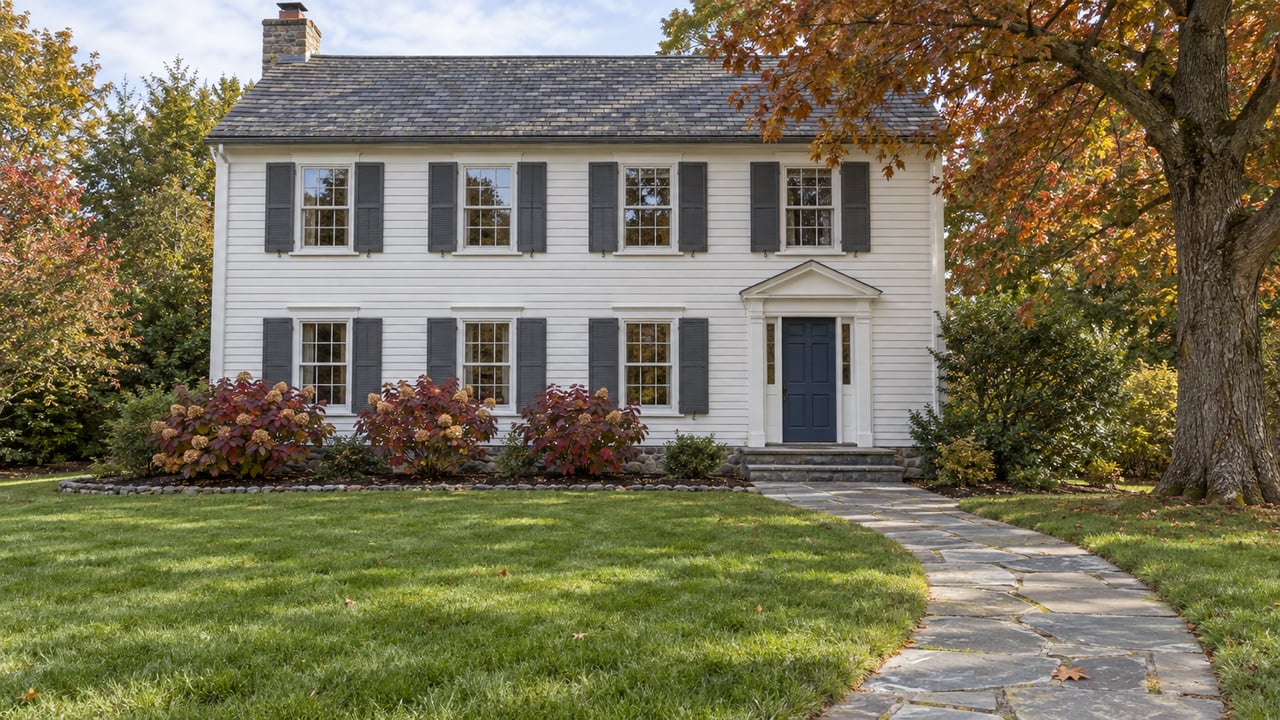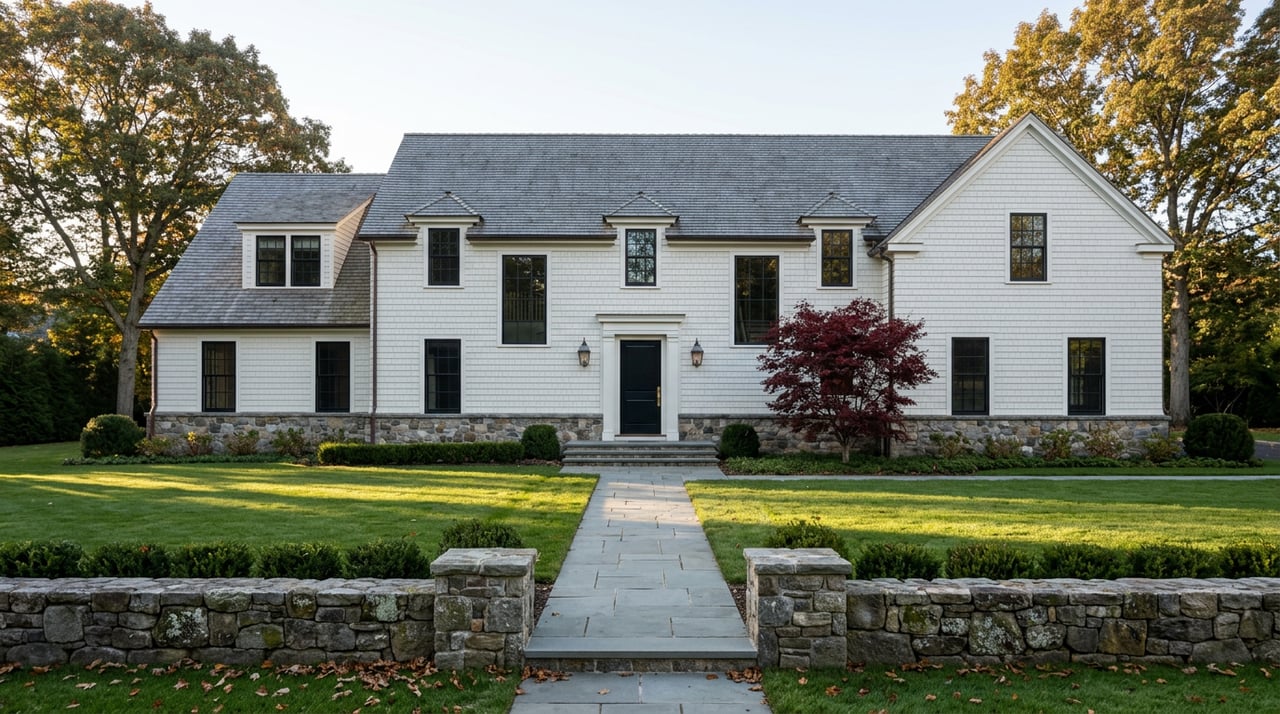
Are you thinking about trading extra bedrooms, yard work, and a long to-do list for something simpler? If you are entering a new season of homeownership, a Monmouth County townhome may sound appealing, but it is important to look beyond the word “downsizing.” In this market, the real question is often not whether you will spend less, but whether you will live with less maintenance and a lifestyle that fits you better. Here is what to weigh if you are considering a move to Monmouth County.
Why Monmouth County appeals to move-down buyers
For many buyers, Monmouth County is less about finding a bargain and more about choosing a different way to live. The county’s estimated population was 651,035 in 2025, and the owner-occupied housing rate was 75.6% in 2020 through 2024. That points to a market where homeownership remains a major part of the local housing picture.
Cost matters too. The median value of owner-occupied homes in Monmouth County was $606,100, which is slightly above Morris County’s $582,500. That means if you are moving from a larger home in Morris County, a townhome in Monmouth County may reduce upkeep, but it does not automatically mean a dramatically lower purchase price.
What a townhome lifestyle can change
A townhome can shift your day-to-day life in meaningful ways. Instead of spending weekends on lawn care, exterior upkeep, or seasonal maintenance, you may move into a community where some of those responsibilities are shared. That lower-maintenance setup is often one of the biggest reasons buyers make the move.
At the same time, townhome living usually comes with association fees. Those fees are common in townhomes, condominiums, and some planned communities, and they may help cover items like ground maintenance, lawn or garden care, common areas, exterior repairs, and utilities such as water, sewer, and trash, depending on the community. They are usually paid directly to the association, not rolled into your mortgage payment.
That tradeoff is important. You may gain more predictable upkeep, but you also take on a recurring monthly fee and agree to community rules that can affect exterior decisions and other property-related choices.
Compare total monthly cost, not just price
If you are trying to decide whether a Monmouth County townhome is the right next chapter, focus on total monthly carrying cost. In Monmouth County, median monthly owner costs were $3,037 with a mortgage and $1,312 without a mortgage. Those figures show why monthly ownership costs can stay meaningful even when you move to a smaller property.
For a realistic budget, consider all of the following together:
- Mortgage payment
- Property taxes
- Homeowners insurance
- HOA or condo dues
- Utilities not covered by the association
- Ongoing interior maintenance and repairs
This is where many buyers find clarity. A smaller home may reduce your maintenance burden, but monthly costs can still feel substantial once taxes, insurance, and association dues are added in.
Why Monmouth County fits a lower-maintenance lifestyle
If your goal is to spend less time maintaining a home and more time enjoying where you live, Monmouth County has a strong case. The Monmouth County Park System reports more than 40 park areas and 157.8 miles of trails. Park destinations include Seven Presidents Oceanfront Park, Holmdel Park, Hartshorne Woods Park, and the Manasquan Reservoir.
That access to outdoor recreation can be a major lifestyle upgrade. If you are moving from a larger property that takes time and energy to maintain, being closer to parks, trails, and shoreline amenities may feel like a better use of your weekends.
The county also offers a strong sense of place. Local tourism resources highlight Monmouth County’s beaches, and the county historical commission is focused on preserving the county’s historic heritage. For many buyers, that combination of shoreline access, open space, and local identity adds to the appeal of a move-down home.
Transportation can add flexibility
A Monmouth County townhome may also work well if you still want regional access. According to the county’s mass-transit information, residents can choose bus, ferry, or train. The Belford Ferry Terminal provides weekday transportation to New York City for about 1,100 commuters, and NJ Transit’s North Jersey Coast Line serves shore stations and offers direct service from New York Penn Station to most shore stations.
That matters if you are not fully retiring your commute or if you want easier access to the city without living there full time. For some buyers, the ability to simplify home maintenance without giving up transportation options is part of what makes the move attractive.
HOA fees deserve a closer look
Association dues are not just a line item. They are a core part of affordability in many townhome communities. Before you buy, it helps to understand exactly what the fee covers and what it does not.
Ask questions such as:
- What exterior maintenance is covered?
- Are water, sewer, or trash included?
- Are there community amenities supported by the dues?
- How often have dues increased?
- Are there any recent or planned special assessments?
You will also want to know about association rules and regulations. In a townhome setting, those rules can affect everything from exterior changes to how common elements are used. If you value a lower-maintenance setup, that may feel like a fair exchange. If you prefer more independence, it is worth thinking through carefully.
Reserve funds and resale matter
It is easy to focus on the floor plan and monthly payment, but long-term resale deserves equal attention. Association reserves are especially important because they function like a shared savings account for major community expenses, such as roof replacement. A well-managed reserve can help reduce the odds of deferred maintenance surprises.
Financing is another resale issue to keep in mind. Fannie Mae’s condo guidance notes that buyers should consider whether a project is warrantable, meaning it meets Fannie Mae and Freddie Mac guidelines. That can affect whether future buyers are able to obtain conventional financing on the property.
In practical terms, stronger communities often share a few traits:
- Manageable monthly fees
- Clear association documents
- Adequate reserve funding
- Fewer signs of deferred maintenance
- Better financing eligibility for future buyers
If you are choosing a townhome as your next chapter, think beyond move-in day. A community that is easier to finance and better maintained may support a smoother resale later.
Coastal location means flood questions matter
In parts of Monmouth County, especially near the shore or bayshore, flood exposure should be part of your budget review. Standard homeowners insurance policies do not cover flood damage. Flood insurance is the protection for flood losses in participating communities, and New Jersey’s flood-disclosure law requires certain sellers and landlords to disclose known and potential flood risks.
For you, that means flood zone status is not a side issue. It can directly affect insurance costs, long-term affordability, and comfort with the property. If you are considering a townhome near coastal areas, ask about flood history, elevation, disclosure details, and insurance availability early in the process.
Is a Monmouth County townhome right for you?
The best way to answer that question is to compare your current lifestyle with the one you want next. If your present home gives you more space than you need but also more upkeep than you want, a townhome may offer a practical reset. You may gain convenience, shared maintenance, and access to parks, beaches, and transportation.
But this move works best when you go in with a clear view of the numbers. In Monmouth County, a townhome should be seen primarily as a lifestyle move, not an automatic countywide price break. The most useful comparison is your total monthly cost and maintenance burden now versus what they would look like in a lower-maintenance home.
If you are weighing a move from Morris County to Monmouth County, a thoughtful side-by-side review can help you make the decision with confidence. That includes purchase price, carrying costs, association structure, flood considerations, and resale potential.
When you are ready to talk through your options with a trusted local team, Godby Realtors can help you evaluate the move with practical guidance and concierge-level support.
FAQs
Is a Monmouth County townhome usually cheaper than a Morris County single-family home?
- Not necessarily. Monmouth County’s median owner-occupied home value was $606,100, slightly above Morris County’s $582,500, so the bigger advantage may be lower maintenance rather than a dramatically lower price.
What do HOA fees in a Monmouth County townhome community usually cover?
- HOA or condo fees may cover items such as ground maintenance, lawn or garden care, common areas, exterior repairs, and sometimes utilities like water, sewer, and trash, depending on the community.
Are HOA fees included in a Monmouth County townhome mortgage payment?
- Usually no. HOA or condo dues are generally paid directly to the association and are not included in the mortgage payment.
Why do reserve funds matter in a Monmouth County townhome community?
- Reserve funds help pay for major shared expenses, such as roof replacement, and strong reserves can reduce the risk of deferred maintenance issues or unexpected costs.
Should flood risk be part of a Monmouth County townhome budget?
- Yes. In shore or bayshore areas, flood risk can affect insurance needs and overall affordability, and standard homeowners insurance does not cover flood damage.
What makes a Monmouth County townhome a good fit for downsizing?
- A strong fit often comes from the combination of smaller living space, shared maintenance, access to recreation, and transportation options, especially if your goal is to simplify daily homeownership.